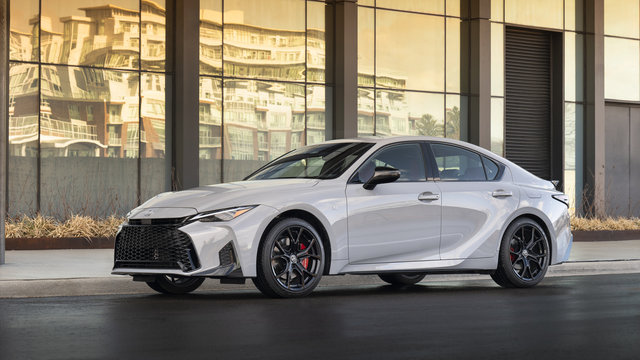
New Brunswick winters demand more from luxury SUVs than style and comfort. From the Saint John River Valley's unpredictable freeze-thaw cycles to coastal storms rolling in from the Bay of Fundy, drivers need vehicles engineered for genuine winter confidence. Lexus hybrid all-wheel-drive systems deliver precisely that combination—refined performance paired with intelligent traction management designed specifically for Canadian conditions.
Understanding why hybrid AWD technology excels in winter driving requires looking beyond marketing claims to the engineering fundamentals. Lexus integrates electric motor torque with advanced all-wheel-drive systems to create powertrains that respond instantly to changing road surfaces, maintain stability in challenging conditions, and deliver the reliability New Brunswick drivers expect from a luxury vehicle.
Instant Torque Delivery for Winter Traction
Electric motors in Lexus hybrid systems generate maximum torque from zero rpm, providing immediate power delivery that gasoline engines cannot match at low speeds. This characteristic proves particularly valuable on snow-covered roads and icy surfaces where smooth, controlled acceleration prevents wheel spin and maintains forward momentum.
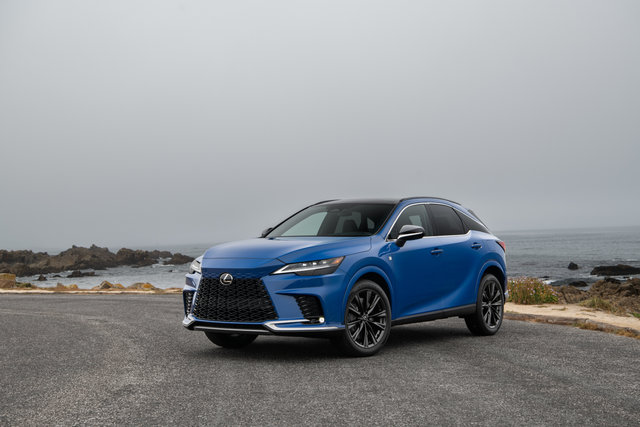
The 2026 Lexus RX 450h+ demonstrates this advantage with its plug-in hybrid system combining a 2.5 L 4-cylinder engine with electric motors. The powertrain delivers power seamlessly through the AWD-e system, which uses a dedicated rear electric motor to distribute torque independently to rear wheels. During winter acceleration from a standstill—such as pulling away from an intersection after a snowfall—the system can prioritize electric motor torque for smooth, controlled starts that minimize slippage.
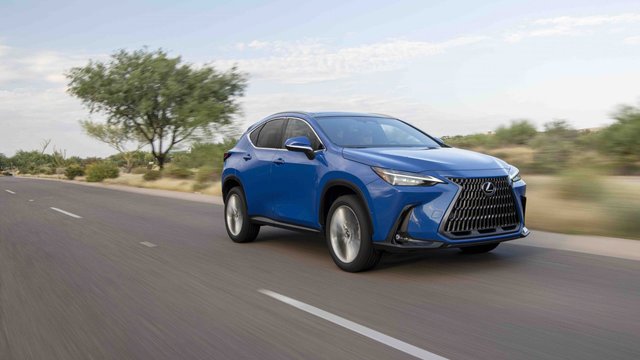
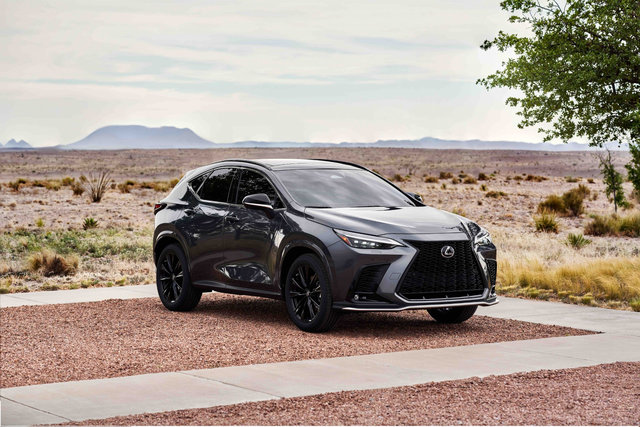
Similarly, the 2026 Lexus NX 350h employs a 2.5 L 4-cylinder hybrid system with AWD-e technology. The electronically controlled all-wheel-drive configuration continuously monitors wheel slip and adjusts torque distribution millisecond by millisecond, maintaining traction on surfaces where conventional mechanical AWD systems would struggle to respond quickly enough.
Advanced AWD Systems Engineered for Canadian Winters
Lexus explicitly designs all NX and RX models with all-wheel-drive powertrains because the brand "understands Canadian winters." This engineering philosophy extends beyond simply adding rear-wheel drive—it encompasses sophisticated electronic control systems that actively manage power delivery based on real-time road conditions.
The AWD-e system found in Lexus hybrid SUVs uses independent electric motors to control rear-wheel torque with precision impossible in traditional mechanical all-wheel-drive configurations. When sensors detect front wheel slip on ice or packed snow, the system can instantly redirect power rearward without waiting for mechanical components to engage. This electronic response time—measured in milliseconds rather than seconds—maintains vehicle stability and prevents the loss of momentum that often occurs when conventional AWD systems react to slippage.
For drivers navigating New Brunswick's varied winter terrain—from Highway 1's exposed coastal sections to rural roads through the Acadian Peninsula—this responsive torque management translates to consistent grip and predictable handling regardless of surface conditions.
Trail Mode for Deep Snow and Unplowed Roads
Both the 2026 NX 350h and RX 450h+ include Trail Mode, a drive mode specifically calibrated for low-traction surfaces including deep snow, mud, and gravel. Activating Trail Mode adjusts throttle response, transmission shift points, and AWD torque distribution to optimize traction when road surfaces deteriorate.
In Trail Mode, the hybrid system maintains lower engine speeds while maximizing electric motor contribution, resulting in smoother power delivery that prevents sudden torque spikes which could break traction. The system also modulates individual wheel braking to simulate limited-slip differential behavior, transferring power to wheels with better grip when one or more wheels begin to slip.
This functionality proves particularly valuable for New Brunswick residents who regularly encounter unplowed driveways, snow-covered parking lots, or rural roads that receive delayed maintenance during winter storms. Trail Mode provides the control needed to maintain forward progress without aggressive throttle inputs that would cause wheel spin in conventional vehicles.
Fuel Efficiency Without Compromising Winter Performance
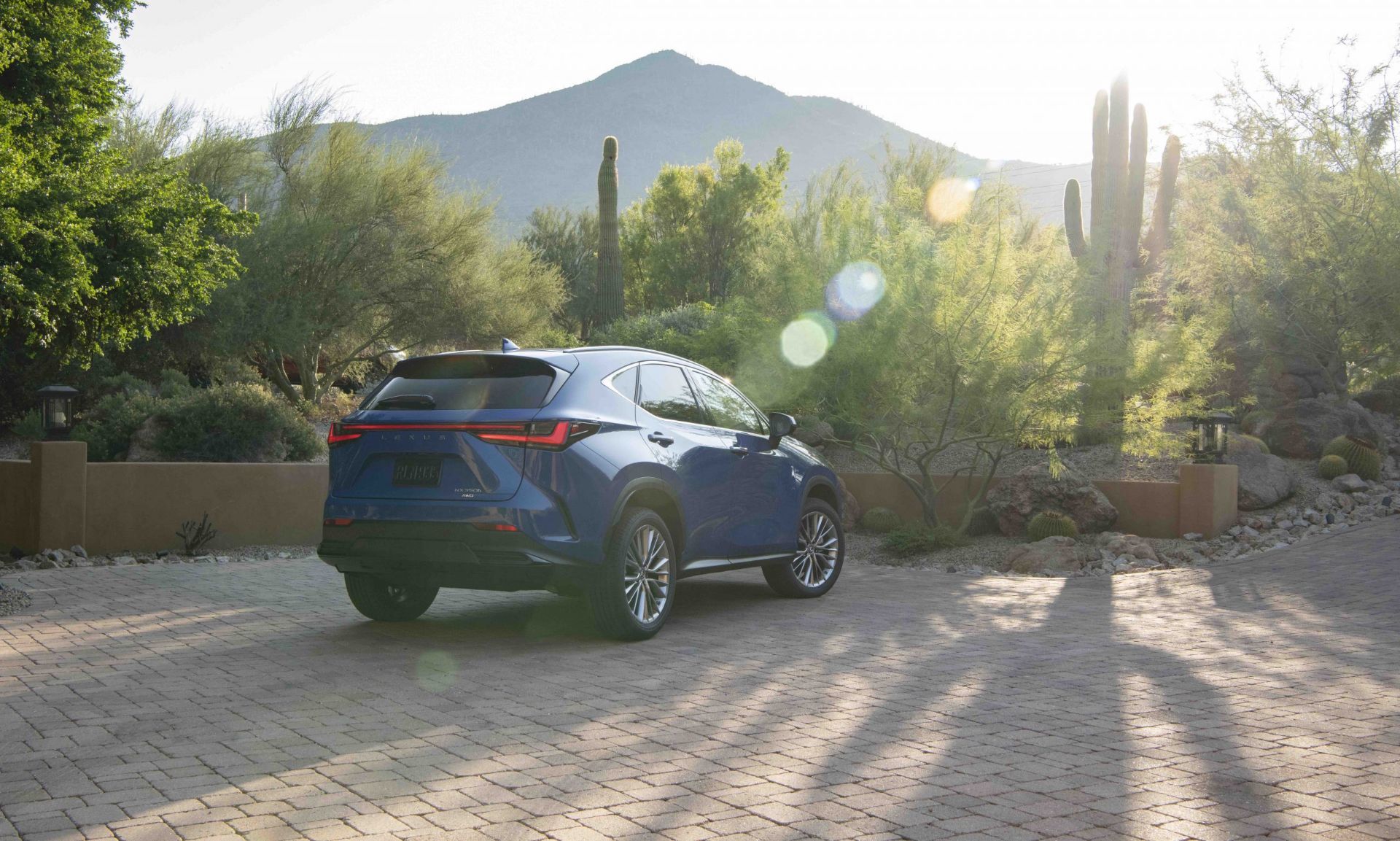
Hybrid powertrains deliver substantial fuel economy advantages compared to conventional gasoline engines, and these benefits extend through winter operation despite increased electrical system demands from heating, defrosting, and traction management.
The 2026 Lexus NX 350h and RX 450h+ maintain strong efficiency ratings even during cold-weather operation because their hybrid systems reduce engine load during steady-state cruising and regenerate energy during deceleration. While battery capacity may decrease slightly in extreme cold, the gasoline engine seamlessly provides additional power when needed, ensuring consistent performance without range anxiety associated with pure electric vehicles.
For drivers commuting between Saint John and surrounding communities like Quispamsis or Rothesay—routes that combine highway driving with frequent stops—hybrid powertrains deliver measurable fuel savings while maintaining the instant throttle response and AWD capability essential for winter driving confidence.
At a Glance: Lexus Hybrid AWD Winter Advantages
|
Feature
|
Winter Benefit
|
|
Electric Motor Torque
|
Instant power delivery from zero rpm for controlled acceleration on ice and snow
|
|
AWD-e System
|
Millisecond-response electronic torque distribution to maintain traction on variable surfaces
|
|
Trail Mode
|
Optimized throttle and AWD calibration for deep snow and unplowed roads
|
|
Hybrid Efficiency
|
Strong fuel economy maintained through winter without compromising performance
|
|
Canadian-Specific Engineering
|
All NX and RX models feature standard AWD designed explicitly for Canadian winter conditions
|
Proven Technology Built in Canada
Lexus manufactures both the RX and NX hybrid models at Toyota Motor Manufacturing Canada's award-winning Cambridge plant, ensuring these vehicles meet the exacting standards required for Canadian market conditions. This domestic production reflects Lexus's commitment to understanding and addressing the specific challenges Canadian drivers face, particularly during winter months.
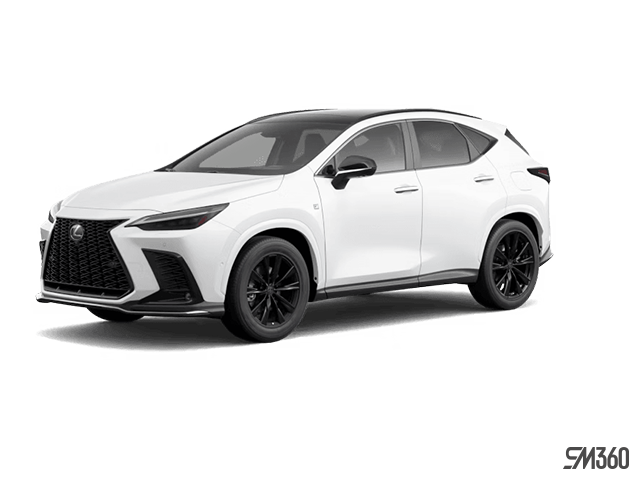
The 2026 lineup expands hybrid options across the SUV range. The NX 350h now includes new F SPORT 2 and F SPORT 3 grades for drivers seeking sportier styling with hybrid efficiency, while the RX lineup offers 17 different configurations including gasoline, hybrid, and plug-in hybrid powertrains—all with standard all-wheel drive.
Experience Lexus Hybrid AWD Performance in Saint John
New Brunswick winters require vehicles engineered for real-world conditions, not just theoretical specifications. Lexus hybrid all-wheel-drive systems combine instant electric motor torque, sophisticated electronic traction management, and specialized drive modes to deliver the confidence and capability drivers in Saint John and throughout the province need when roads turn challenging.
The 2026 Lexus NX 350h and RX 450h+ represent refined approaches to winter driving—vehicles that maintain luxury and comfort while providing the technical advantages that matter most when weather conditions deteriorate. Visit Lexus of Saint John to experience how hybrid AWD technology transforms winter driving in New Brunswick.